Seniors carry the wisdom of generations, gained from lived experiences and lessons passed down through the ages. The people and legends of yesteryear inevitably shape who we are today and how we see the world. As a senior, you’ve undoubtedly touched countless lives across all generations in meaningful ways – more often and deeper than you will ever know.
My great-grandmother was a midwife and tropical remedy healer, a key founding member of the rural town I live in today, Cartagena, Costa Rica. She was illiterate, but carried ancient knowledge and a passion to heal people and animals using natural remedies learned from oral tradition. She inspired me to study cannabis and become the healer I am today. Now I write, coach, and educate millions of patients and providers alike while living in our beloved Cartagena.
If you’re a senior, or one of your loved ones is an older adult, you’re here because you’re also inspired to look for natural healing remedies like medical cannabis and hemp. Whether you’re enlightened to cannabis by way of family, friends, or out of curiosity for your condition – you’re not alone! You’re joining the fastest-growing segment of the cannabis population.
Why Is Cannabis Popular Among Seniors?
Today, a remarkable one in five older adults (21%) uses some form of cannabis, including edibles, flower, vaporizers, and more. That’s an exponential increase from 0.4% in 2006–’07, and 2.9% from 2015 to ‘16. This is a testament to legalization efforts, but also reflects the stark realities of a growing, aging population suffering from ever-increasing but unmet chronic health issues.
In a world of suboptimal pharmaceuticals, integrative approaches like medical cannabis are in demand. According to Veriheal data, seniors signing up for medical cannabis also try many alternative treatments like:
- Physical Exercise (21%)
- Chiropractic (11%)
- Therapeutic (10%)
- Dietary (9%)
- Acupuncture (5%)
- Yoga (5%)
- Tai Chi (1%)
- Or other (22%)
Dr. Mikhail Kogan, MD, is a leading integrative geriatric doctor also known worldwide for his work on cannabis, detailed in his new book. He’s also my mentor, colleague, friend, and Medical Director of the GW Center for Integrative Medicine in DC, where I see our most complex cannabis cases. When asked why cannabis works so well for seniors, Dr. Kogan noted,
“Medical cannabis is a valuable option for managing many conditions and symptoms related to aging. It provides effective relief for chronic pain, reducing reliance on opioids and their associated risks. Its anti-inflammatory, appetite-stimulating, and antiemetic effects benefit conditions like cachexia, nausea, and loss of appetite. Cannabis can also improve sleep and reduce anxiety, depression, or agitation, particularly in dementia. Moreover, its neuroprotective and antioxidant properties may support cognitive health and alleviate neurodegenerative symptoms. With careful dosing and monitoring, medical cannabis offers a safe, holistic approach to enhancing quality of life for older adults.”
This wide range of accessible benefits increases hope, health, wellbeing, and quality of life for many seniors in a safe and natural way. Especially for those dealing with difficult-to-treat conditions and have few or no other options.
Common Uses And Benefits
2023 research on cannabis use patterns in older adults suggests that medical cannabis use increases with age. Nearly two-thirds of cannabis consumers over age 80 do so for medical reasons, and adults 80+ also consume the most frequently among older adults. The authors state these findings presumably demonstrate higher medical needs.
The study also reveals that seniors typically endorse reasons like:
- Arthritis (61%)
- Depression (36%)
- Asthma (20%)
- COPD (18%)
Additionally, internal Veriheal data shows more of the most common conditions for medical cannabis in people 65 and older:
- Chronic pain (56%)
- Trouble Sleeping (47%)
- Arthritis (33%)
- Other (27%)
- Muscle spasm (17%)
- Cancer (9%)
- Nausea (6%)
- Immune deficiency (3%)
- Seizures (1%)
- Crohn’s disease (1%)
- HIV/AIDS (<1%)
Surprisingly, most seniors applying for medical cannabis recommendations through Veriheal report using cannabis or CBD before (36.7% and 37.7%, respectively), or even currently (25% and 20.5%). Only 16.2% said they’ve never used cannabis before, and 32.2% hadn’t tried CBD. This further supports research findings that suggest increasing age causes more medical needs, and logically greater medical cannabis use.
Side Effects, Risks, and Hazards
Common Side Effects
All substances have side effects, including cannabis. The side effects are less risky than other medications, and most often related to the dose and route of THC, the main intoxicating component. These are generally non-serious, temporary, and include:
- Dizziness
- Cognitive impairment
- Dry mouth and eyes
- Fast heart rate
- Anxiety
- Drowsiness
- Fatigue
You cannot fatally overdose on THC or cannabis directly, as with opioids. Cannabinoids like CBD are anxiety-reducing and more tolerable than THC, and may even reduce cravings for alcohol and opioids. CBD can still have mild to moderate side effects, typically in very large doses over a few hundred milligrams, including:
- Gastrointestinal distress
- Nausea
- Upset stomach
- Diarrhea
- Sleepiness
- Loss of appetite
- High liver enzymes (if combined with anti-seizure medications such as clobazam or valproate)
Dosing Considerations
Beginner doses for seniors should start with or less than 5 mg THC by mouth to avoid side effects. Elderly persons who are frail, on multiple medications, or THC-sensitive should consider microdosing with 2.5–5mg THC first, with supervision. Consider increasing the dose by 2.5mg by mouth every 1–2 days until you know how THC affects you or desired results are achieved.
Aging causes many changes to how we process cannabis. Our bodies get drier, become more sensitive, and take longer to metabolize medications, especially if you’re on several prescriptions and take cannabis at the same time. Serious drug interactions are rare, involving antiseizure medications, so always ask your provider before taking cannabinoids.
Falling Hazard
For some, the dizziness brought on by THC can be complicated by:
- Lightheadedness upon standing
- Low blood pressure upon standing
These factors could cause falls or even hip fractures in susceptible older adults. Being conscientious with your provider-recommended dose, housing environment (e.g., rugs, steps), staying hydrated, and having a caregiver present can minimize this risk.
Cardiopulmonary Risks
About 10% of all older adults choose to smoke cannabis. Smoking is the preference of about half of all cannabis-consuming older adults, consistent with internal Veriheal data.
While popular, smoking cannabis can bring short and long-term side effects like:
- Coughing
- Mucus and phlegm
- Chronic bronchitis
For my patients, I recommend exploring dry herb vaporizing or non-inhalational routes to avoid negative airway effects. If you have cardiovascular disease, smoking cannabis may trigger a heart attack or other adverse cardiovascular event like a stroke or atrial fibrillation.
Dependence
THC is intoxicating, and for some, its use may become problematic. Rates of cannabis use disorder (CUD) among adults 65+ are increasing, tripling from 0.1% to 0.3% between 2001 and 2013. Data indicates this is related to increasing THC potency, vastly overtaking CBD in today’s cannabis, going up from 3.5% THC in 1994 to 12.3% in 2012.
Using high-THC cannabis products, having a mental health condition, or misusing other substances increases this risk. If you are struggling with CUD, talk openly with your trusted provider or therapist.
Cannabis Supports Healthy Aging
Brain Health and Dementia
We used to think neurons like brain cells are irreplaceable, which isn’t true according to new science. Thankfully, cannabis use in older age may be associated with improved brain health and has positive long-term brain structure effects.
Not only that, but whole-plant cannabis compounds like cannabinoids, terpenes, flavonoids, and stilbenes have many effects that support brain health including:
- Neuroprotective
- Neuroregenerative
- Pro-cognitive
- Pro-memory
- Directly anti-aging
- Calming
- Anti-inflammatory
- Antioxidant
- Healthier gut-brain-bone axis
Unfortunately, dementia is a common affliction associated with increasing old age, with Alzheimer’s being most common. Neurodegeneration and inflammation are hallmarks of brain diseases, which whole-plant cannabis compounds can target at their root. Cannabis can also help with managing common symptoms of dementia, such as:
- Agitation
- Depression
- Anxiety
- Sleep disturbances
- Refusing food
- Low appetite
- Nocturnal activity
- Motor symptoms in Parkinson’s and Huntington’s
You’ll often hear that more research is needed in these areas, and that’s true. I recently met a scientist investigating yet another way that whole-plant cannabis can mitigate aging.
Mitochondria as New Anti-Aging Targets
Daniel Gana, MSc, is a pharmaceutical microbiologist, copywriter, and my research colleague at BioSource Botanicals. He recently taught me about how the endocannabinoid system (ECS) is also embedded within mitochondria themselves and may regulate the effects of aging and disease.
This research makes sense, given we know mitochondria are ancient structures that were once independent cells, and are inherited only from our mothers. They already carry their own DNA, RNA, ribosomes – and now endocannabinoid system. If further elucidated, it could change the face of cannabis medicine forever.
Mitochondria are important cell structures that promote energy, longevity, and several anti-aging functions. We already know that whole-plant cannabis compounds can target mitochondria, mitochondrial and endocannabinoid receptors (i.e., mtCB1R and CB1), and more, to improve our brain health and wellbeing as we age. Particularly if the components are preserved well enough to work together more efficiently.
This new, evidence-based theory behind these ancient structures is distinct from our endocannabinoid system, resembling the endocannabinoidome concept we recognize today. In his book, shares a pictographic summary:
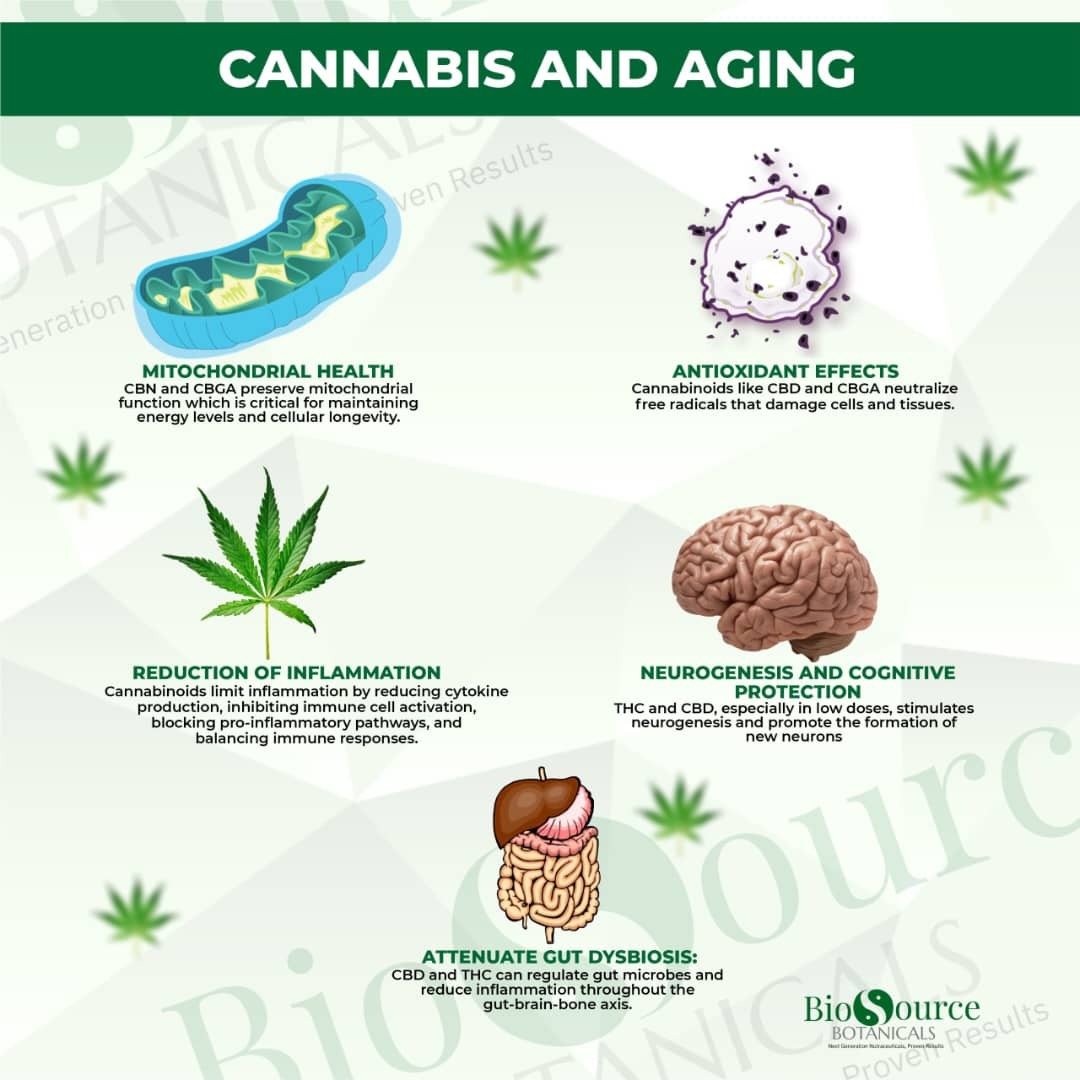
Accompanying the graphic, Gana explains the process in full detail:
“Cells rely on the mitochondria to produce a steady supply of energy essential for their survival. Mitochondrial functions are, however, modulated by a unique endocannabinoid system present in mitochondrial membranes. This ECS influences mitochondrial functions including energy production, calcium regulation, and stress response. The ECS achieves this in three simple ways; (1) regulate the formation of new mitochondria; (2)change the function and constituents of the mitochondria to suit a particular activity, e.g. antioxidant capacity, [and] (3) control electron transport chain to support overall well-being
The ECS in mitochondrial membranes can serve as a target for whole plant compounds like cannabinoids, terpenes, and flavonoids which work singly or synergistically to reduce oxidative stress and maintain mitochondrial functions.”
Biology teaches us that “mitochondria are the powerhouse of the cell” that keep us going. Based on emerging research, they can likely go much further in fighting aging and disease using pristine, whole-plant cannabis extracts. I recently joined Daniel in his investigation, and our cutting-edge research is underway at BioSource Botanicals.
Bottom line
If you’re a senior blessed with health, I wish you the best in enjoying your golden years. If you’re caring for yourself or a loved one, speak with a knowledgeable healthcare professional and cannabis coach about the best ways to use cannabis.
Cannabis supports healthier aging in many ways, with or without THC. I’m fortunate to be in a position where I’ve helped many seniors and their families finally get relief from insomnia, pain, cancer, dementia, and more with cannabis.
References
- 4.9: Eukaryotic Cells – Mitochondria. (2018, July 5). Biology LibreTexts. https://bio.libretexts.org/Bookshelves/Introductory_and_General_Biology/General_Biology_(Boundless)/04%3A_Cell_Structure/4.09%3A_Eukaryotic_Cells_-_Mitochondria
- A, D. S., Mg, E., & G, M. (2008). Antimutagenic and mutagenic activities of some terpenes in the bacterial reverse mutation assay. Mutation Research, 653(1–2). https://doi.org/10.1016/j.mrgentox.2008.04.004
- AARP. (2024, September 12). 1 in 5 Older Adults Use Cannabis. AARP. https://www.aarp.org/health/drugs-supplements/info-2024/cannabis-use-in-older-adults.html
- Ailshire, J. (2023). PATTERNS OF MARIJUANA USE IN THE US OLDER ADULT POPULATION. Innovation in Aging, 7(Suppl 1), 172. https://doi.org/10.1093/geroni/igad104.0564
- Aliev, G., Liu, J., Shenk, J. C., Fischbach, K., Pacheco, G. J., Chen, S. G., Obrenovich, M. E., Ward, W. F., Richardson, A. G., Smith, M. A., Gasimov, E., Perry, G., & Ames, B. N. (2009). Neuronal mitochondrial amelioration by feeding acetyl-L-carnitine and lipoic acid to aged rats. Journal of Cellular and Molecular Medicine, 13(2), 320–333. https://doi.org/10.1111/j.1582-4934.2008.00324.x
- Al-Khazaleh, A. K., Zhou, X., Bhuyan, D. J., Münch, G. W., Al-Dalabeeh, E. A., Jaye, K., & Chang, D. (2024). The Neurotherapeutic Arsenal in Cannabis sativa: Insights into Anti-Neuroinflammatory and Neuroprotective Activity and Potential Entourage Effects. Molecules, 29(2), Article 2. https://doi.org/10.3390/molecules29020410
- Arora, K., Qualls, S. H., Bobitt, J., Milavetz, G., & Kaskie, B. (2021). Older Cannabis Users Are Not All Alike: Lifespan Cannabis Use Patterns. Journal of Applied Gerontology: The Official Journal of the Southern Gerontological Society, 40(1), 87–94. https://doi.org/10.1177/0733464819894922
- Arterberry, B. J., Padovano, H. T., Foster, K. T., Zucker, R. A., & Hicks, B. M. (2019). Higher average potency across the United States is associated with progression to first cannabis use disorder symptom. Drug and Alcohol Dependence, 195, 186–192. https://doi.org/10.1016/j.drugalcdep.2018.11.012
- Azcarate, P. M., Zhang, A. J., Keyhani, S., Steigerwald, S., Ishida, J. H., & Cohen, B. E. (2020). Medical Reasons for Marijuana Use, Forms of Use, and Patient Perception of Physician Attitudes Among the US Population. Journal of General Internal Medicine, 35(7), 1979–1986. https://doi.org/10.1007/s11606-020-05800-7
- Bahji, A., Breward, N., Duff, W., Absher, N., Patten, S. B., Alcorn, J., & Mousseau, D. D. (2022). Cannabinoids in the management of behavioral, psychological, and motor symptoms of neurocognitive disorders: A mixed studies systematic review. https://pmc.ncbi.nlm.nih.gov/articles/PMC8922797/
- Bartschi, J. G., Greenwood, L.-M., Montgomery, A., Dortants, L., Weston-Green, K., Huang, X.-F., Pai, N., Potter, J., Schira, M. M., Croft, R., & Solowij, N. (2023). Cannabidiol as a Treatment for Neurobiological, Behavioral, and Psychological Symptoms in Early-Stage Dementia: A Double-Blind, Placebo-Controlled Clinical Trial Protocol. Https://Home.Liebertpub.Com/Can. https://doi.org/10.1089/can.2021.0209
- Bell, A. D., MacCallum, C., Margolese, S., Walsh, Z., Wright, P., Daeninck, P. J., Mandarino, E., Lacasse, G., Kaur Deol, J., de Freitas, L., St. Pierre, M., Belle-Isle, L., Gagnon, M., Bevan, S., Sanchez, T., Arlt, S., Monahan-Ellison, M., O’Hara, J., Boivin, M., … External Review Panel. (2024). Clinical Practice Guidelines for Cannabis and Cannabinoid-Based Medicines in the Management of Chronic Pain and Co-Occurring Conditions. Cannabis and Cannabinoid Research, 9(2), 669–687. https://doi.org/10.1089/can.2021.0156
- Bilkei-Gorzo, A., Albayram, O., Draffehn, A., Michel, K., Piyanova, A., Oppenheimer, H., Dvir-Ginzberg, M., Rácz, I., Ulas, T., Imbeault, S., Bab, I., Schultze, J. L., & Zimmer, A. (2017). A chronic low dose of Δ9-tetrahydrocannabinol (THC) restores cognitive function in old mice. Nature Medicine, 23(6), 782–787. https://doi.org/10.1038/nm.4311
- Bilkei-Gorzo, A., Schurmann, B., Schneider, M., Kraemer, M., Nidadavolu, P., Beins, E. C., Müller, C. E., Dvir-Ginzberg, M., & Zimmer, A. (2024). Bidirectional Effect of Long-Term Δ9-Tetrahydrocannabinol Treatment on mTOR Activity and Metabolome. ACS Pharmacology & Translational Science, 7(9), 2637–2649. https://doi.org/10.1021/acsptsci.4c00002
- Blebea, N. M., Pricopie, A. I., Vlad, R.-A., & Hancu, G. (2024). Phytocannabinoids: Exploring Pharmacological Profiles and Their Impact on Therapeutical Use. International Journal of Molecular Sciences, 25(8), Article 8. https://doi.org/10.3390/ijms25084204
- Caulkins, J. P. (2024). Changes in self-reported cannabis use in the United States from 1979 to 2022. Addiction, 119(9), 1648–1652. https://doi.org/10.1111/add.16519
- Chacon, F. T., Raup-Konsavage, W. M., Vrana, K. E., & Kellogg, J. J. (2022). Secondary Terpenes in Cannabis sativa L.: Synthesis and Synergy. Biomedicines, 10(12), 3142. https://doi.org/10.3390/biomedicines10123142
- Chen, Z., & Wong, R. (2024). Association Between Cannabis Use and Subjective Cognitive Decline: Findings from the Behavioral Risk Factor Surveillance System (BRFSS). Current Alzheimer Research, 20(11), 802–810. https://doi.org/10.2174/0115672050301726240219050051
- Costa, L. G., Garrick, J. M., Roquè, P. J., & Pellacani, C. (2016). Mechanisms of Neuroprotection by Quercetin: Counteracting Oxidative Stress and More. Oxidative Medicine and Cellular Longevity, 2016(1), 2986796. https://doi.org/10.1155/2016/2986796
- Dd, D., Da, S., & Wv, F. (2001). Positive emotions in early life and longevity: Findings from the nun study. Journal of Personality and Social Psychology, 80(5). https://pubmed.ncbi.nlm.nih.gov/11374751/
- Ebbert, J. O., Scharf, E. L., & Hurt, R. T. (2018). Medical Cannabis. Mayo Clinic Proceedings, 93(12), 1842–1847. https://doi.org/10.1016/j.mayocp.2018.09.005
- Ellingson, J. M., Hinckley, J. D., Ross, J. M., Schacht, J. P., Bidwell, L. C., Bryan, A. D., Hopfer, C. J., Riggs, P., & Hutchison, K. E. (2021). The Neurocognitive Effects of Cannabis Across the Lifespan. Current Behavioral Neuroscience Reports, 8(4), 124. https://doi.org/10.1007/s40473-021-00244-7
- ElSohly, M. A., Chandra, S., Radwan, M., Majumdar, C. G., & Church, J. C. (2021). A Comprehensive Review of Cannabis Potency in the United States in the Last Decade. Biological Psychiatry: Cognitive Neuroscience and Neuroimaging, 6(6), 603–606. https://doi.org/10.1016/j.bpsc.2020.12.016
- Franceschi, C., Garagnani, P., Parini, P., Giuliani, C., & Santoro, A. (2018). Inflammaging: A new immune–metabolic viewpoint for age-related diseases. Nature Reviews Endocrinology, 14(10), 576–590. https://doi.org/10.1038/s41574-018-0059-4
- Frost, L., Mostofsky, E., Rosenbloom, J. I., Mukamal, K. J., & Mittleman, M. A. (2013). Marijuana Use and Long-Term Mortality among Survivors of Acute Myocardial Infarction. American Heart Journal, 165(2), 170–175. https://doi.org/10.1016/j.ahj.2012.11.007
- G, J., Be, Ő., Ce, V., Cm, R., A, T.-V., & A, P. (2023). Cannabidiol: Bridge between Antioxidant Effect, Cellular Protection, and Cognitive and Physical Performance. Antioxidants (Basel, Switzerland), 12(2). https://doi.org/10.3390/antiox12020485
- Gallup. (2024, November 1). What Percentage of Americans Smoke Marijuana? Gallup.Com. https://news.gallup.com/poll/284135/percentage-americans-smoke-marijuana.aspx
- Gana, D., & Benavides, A. (2024, November 18). Anti-Aging Effects of Cannabis: A Comprehensive Review. BioSource Botanicals. https://biosourcebotanicals.com/anti-aging-effects-of-cannabis-a-comprehensive-review/
- Gęgotek, A., Jarocka-Karpowicz, I., Ekiner, S. A., & Skrzydlewska, E. (2023). The Anti-Inflammatory Action of Cannabigerol Accompanied by the Antioxidant Effect of 3-O-ethyl Ascorbic Acid in UVA-Irradiated Human Keratinocytes. Journal of Pharmacology and Experimental Therapeutics, 387(2), 170–179. https://doi.org/10.1124/jpet.123.001731
- Han, B. H., & Palamar, J. J. (2020). Trends in Cannabis Use Among Older Adults in the United States, 2015-2018. JAMA Internal Medicine, 180(4), 609–611. https://doi.org/10.1001/jamainternmed.2019.7517
- How much water do you need to stay healthy? (2022, October 12). Mayo Clinic. https://www.mayoclinic.org/healthy-lifestyle/nutrition-and-healthy-eating/in-depth/water/art-20044256
- Ibrahim, I., Syamala, S., Ayariga, J. A., Xu, J., Robertson, B. K., Meenakshisundaram, S., & Ajayi, O. S. (2022). Modulatory Effect of Gut Microbiota on the Gut-Brain, Gut-Bone Axes, and the Impact of Cannabinoids. Metabolites, 12(12), 1247. https://doi.org/10.3390/metabo12121247
- In 1850, Ignaz Semmelweis saved lives with three words: Wash your hands. (2015, May 15). PBS News. https://www.pbs.org/newshour/health/ignaz-semmelweis-doctor-prescribed-hand-washing
- Kataoka, K., Bilkei-Gorzo, A., Nozaki, C., Togo, A., Nakamura, K., Ohta, K., Zimmer, A., & Asahi, T. (2020). Age-dependent Alteration in Mitochondrial Dynamics and Autophagy in Hippocampal Neuron of Cannabinoid CB1 Receptor-deficient Mice. Brain Research Bulletin, 160, 40–49. https://doi.org/10.1016/j.brainresbull.2020.03.014
- Khoj, L., Zagà, V., Amram, D. L., Hosein, K., Pistone, G., Bisconti, M., Serafini, A., Cammarata, L. M., Cattaruzza, M. S., & Mura, M. (2024). Effects of cannabis smoking on the respiratory system: A state-of-the-art review. Respiratory Medicine, 221. https://doi.org/10.1016/j.rmed.2023.107494
- Khoury, R., Maliha, P., & Ibrahim, R. (2022). Cannabis Use and Misuse in Older Adults. Clinics in Geriatric Medicine, 38(1), 67–83. https://doi.org/10.1016/j.cger.2021.07.003
- Kim, J., Choi, P., Park, Y.-T., Kim, T., Ham, J., & Kim, J.-C. (2023). The Cannabinoids, CBDA and THCA, Rescue Memory Deficits and Reduce Amyloid-Beta and Tau Pathology in an Alzheimer’s Disease-like Mouse Model. International Journal of Molecular Sciences, 24(7), Article 7. https://doi.org/10.3390/ijms24076827
- Lachenmeier, D. W., & Rehm, J. (2015). Comparative risk assessment of alcohol, tobacco, cannabis and other illicit drugs using the margin of exposure approach. https://pmc.ncbi.nlm.nih.gov/articles/PMC4311234/
- Liang, Z., Soriano-Castell, D., Kepchia, D., Duggan, B. M., Currais, A., Schubert, D., & Maher, P. (2022). Cannabinol inhibits oxytosis/ferroptosis by directly targeting mitochondria independently of cannabinoid receptors. Free Radical Biology and Medicine, 180, 33–51. https://doi.org/10.1016/j.freeradbiomed.2022.01.001
- Lindsey, L. P., Daphney, C. M., Oppong-Damoah, A., Uchakin, P. N., Abney, S. E., Uchakina, O. N., Khusial, R. D., Akil, A., & Murnane, K. S. (2019). The cannabinoid receptor 2 agonist, β-caryophyllene, improves working memory and reduces circulating levels of specific proinflammatory cytokines in aged male mice. Behavioural Brain Research, 372, 112012. https://doi.org/10.1016/j.bbr.2019.112012
- Malheiro, R. F., Carmo, H., Carvalho, F., & Silva, J. P. (2023). Cannabinoid-mediated targeting of mitochondria on the modulation of mitochondrial function and dynamics. Pharmacological Research, 187, 106603. https://doi.org/10.1016/j.phrs.2022.106603
- Morsanuto, V., Galla, R., Molinari, C., & Uberti, F. (2020). A New Palmitoylethanolamide Form Combined with Antioxidant Molecules to Improve Its Effectivess on Neuronal Aging. Brain Sciences, 10(7), 457. https://doi.org/10.3390/brainsci10070457
- Ng, C., J, M., & By, C. (2024). Cannabis use disorder and substance use treatment among U.S. adults. Journal of Substance Use and Addiction Treatment, 167. https://doi.org/10.1016/j.josat.2024.209486
- Ni, B., Liu, Y., Dai, M., Zhao, J., Liang, Y., Yang, X., Han, B., & Jiang, M. (2023). The role of cannabidiol in aging. Biomedicine & Pharmacotherapy, 165, 115074. https://doi.org/10.1016/j.biopha.2023.115074
- O’Croinin, C., Garcia Guerra, A., Doschak, M. R., Löbenberg, R., & Davies, N. M. (2023). Therapeutic Potential and Predictive Pharmaceutical Modeling of Stilbenes in Cannabis sativa. Pharmaceutics, 15(7), 1941. https://doi.org/10.3390/pharmaceutics15071941
- Ostir, G. V., Markides, K. S., Black, S. A., & Goodwin, J. S. (2000). Emotional Well-Being Predicts Subsequent Functional Independence and Survival. Journal of the American Geriatrics Society, 48(5), 473–478. https://doi.org/10.1111/j.1532-5415.2000.tb04991.x
- Pandelides, Z., Thornton, C., Faruque, A. S., Whitehead, A. P., Willett, K. L., & Ashpole, N. M. (2020). Developmental exposure to cannabidiol (CBD) alters longevity and health span of zebrafish (Danio rerio). GeroScience, 42(2), 785–800. https://doi.org/10.1007/s11357-020-00182-4
- Pandelides, Z., Thornton, C., Lovitt, K. G., Faruque, A. S., Whitehead, A. P., Willett, K. L., & Ashpole, N. M. (2020). Developmental exposure to Δ9-tetrahydrocannabinol (THC) causes biphasic effects on longevity, inflammation, and reproduction in aged zebrafish (Danio rerio). GeroScience, 42(3), 923–936. https://doi.org/10.1007/s11357-020-00175-3
- Pocuca, N., Walter, T. J., Minassian, A., Young, J. W., Geyer, M. A., & Perry, W. (2020). The Effects of Cannabis Use on Cognitive Function in Healthy Aging: A Systematic Scoping Review. Archives of Clinical Neuropsychology, 36(5), 673–685. https://doi.org/10.1093/arclin/acaa105
- Russo, E. B. (2019). The Case for the Entourage Effect and Conventional Breeding of Clinical Cannabis: No “Strain,” No Gain. Frontiers in Plant Science, 9. https://doi.org/10.3389/fpls.2018.01969
- Schiano Moriello, A., Di Marzo, V., & Petrosino, S. (2022). Mutual Links between the Endocannabinoidome and the Gut Microbiome, with Special Reference to Companion Animals: A Nutritional Viewpoint. Animals, 12(3), Article 3. https://doi.org/10.3390/ani12030348
- Schulz, T. J., Zarse, K., Voigt, A., Urban, N., Birringer, M., & Ristow, M. (2007). Glucose Restriction Extends Caenorhabditis elegans Life Span by Inducing Mitochondrial Respiration and Increasing Oxidative Stress. Cell Metabolism, 6(4), 280–293. https://doi.org/10.1016/j.cmet.2007.08.011
- Siracusa, L., Ruberto, G., & Cristino, L. (2023). Recent Research on Cannabis sativa L.: Phytochemistry, New Matrices, Cultivation Techniques, and Recent Updates on Its Brain-Related Effects (2018–2023). https://pmc.ncbi.nlm.nih.gov/articles/PMC10146690/
- Souza, J. D. R., Pacheco, J. C., Rossi, G. N., de-Paulo, B. O., Zuardi, A. W., Guimarães, F. S., Hallak, J. E. C., Crippa, J. A., & Dos Santos, R. G. (2022). Adverse Effects of Oral Cannabidiol: An Updated Systematic Review of Randomized Controlled Trials (2020–2022). Pharmaceutics, 14(12), 2598. https://doi.org/10.3390/pharmaceutics14122598
- Suliman, N. A., Taib, C. N. M., Moklas, M. A. M., & Basir, R. (2018). Delta-9-Tetrahydrocannabinol (∆9-THC) Induce Neurogenesis and Improve Cognitive Performances of Male Sprague Dawley Rats. Neurotoxicity Research, 33(2), 402–411. https://doi.org/10.1007/s12640-017-9806-x
- Suryavanshi, S. V., Kovalchuk, I., & Kovalchuk, O. (2021). Cannabinoids as Key Regulators of Inflammasome Signaling: A Current Perspective. Frontiers in Immunology, 11, 613613. https://doi.org/10.3389/fimmu.2020.613613
- Terracciano, A., Löckenhoff, C. E., Zonderman, A. B., Ferrucci, L., & Costa, P. T. (2008). Personality predictors of longevity: Activity, emotional stability, and conscientiousness. Psychosomatic Medicine, 70(6), 621–627. https://doi.org/10.1097/PSY.0b013e31817b9371
- Timler, A., Bulsara, C., Bulsara, M., Vickery, A., Smith, J., & Codde, J. (2020). Use of cannabinoid-based medicine among older residential care recipients diagnosed with dementia: Study protocol for a double-blind randomised crossover trial. https://pmc.ncbi.nlm.nih.gov/articles/PMC7023743/
- Valeri, A., & Mazzon, E. (2021). Cannabinoids and Neurogenesis: The Promised Solution for Neurodegeneration? Molecules, 26(20), 6313. https://doi.org/10.3390/molecules26206313
- Velayudhan, L., Dugonjic, M., Pisani, S., Harborow, L., Aarsland, D., Bassett, P., & Bhattacharyya, S. (2024). Cannabidiol for behavior symptoms in Alzheimer’s disease (CANBiS-AD): A randomized, double-blind, placebo-controlled trial | International Psychogeriatrics. Cambridge Core. https://doi.org/10.1017/S1041610224000516
- Waddell, J. T. (2021). Age-varying time trends in cannabis- and alcohol-related risk perceptions 2002–2019. Addictive Behaviors, 124, 107091. https://doi.org/10.1016/j.addbeh.2021.107091
- Walsh, K. B., McKinney, A. E., & Holmes, A. E. (2021). Minor Cannabinoids: Biosynthesis, Molecular Pharmacology and Potential Therapeutic Uses. Frontiers in Pharmacology, 12, 777804. https://doi.org/10.3389/fphar.2021.777804
- Weinstein, G., & Sznitman, S. R. (2020). The implications of late-life cannabis use on brain health: A mapping review and implications for future research. Ageing Research Reviews, 59, 101041. https://doi.org/10.1016/j.arr.2020.101041
- Yoo, H. B., DiMuzio, J., & Filbey, F. M. (2019). Interaction of Cannabis Use and Aging: From Molecule to Mind. Journal of Dual Diagnosis, 16(1), 140. https://doi.org/10.1080/15504263.2019.1665218
Note: Veriheal does not intend to give this as professional medical advice. Do not attempt to self-diagnose, or prescribe treatment based on the information provided on this page. Always consult a physician before making any decision on the treatment of a medical condition.
The post Cannabis Across Life: Seniors and Medical Marijuana appeared first on Cannabis Central.